The Second Infusion is live. Your infusion changed your life. Your second one changes hers.

Give the second infusion →

Impact

Published, not promised.

Every number on this page comes from a peer-reviewed abstract presented at the American Society of Hematology or from the allocation the Foundation publishes on this site. Nothing here is an estimate, a projection or a round number.
The numbers

What the model has delivered so far.

Two years of outcomes, published and peer-reviewed, from the clinical partners that deliver the Foundation's model.

5,000+

women treated since 2020

Fem Network clinical data

2,971

infusions to 1,383 pregnant patients

ASH 2023, Abstract 2381

7,246

infusions across 3,076 patients in two years

ASH 2023, Abstract 2314

0

adverse events that affected a pregnancy

ASH 2023, Abstract 2381

94%

reported improvement in one or more symptoms

ASH 2023, Abstract 2314

1.2 g/dL

average hemoglobin increase after treatment

ASH 2023, Abstract 2381

9 days

average from consult to infusion

ASH 2023, Abstract 2314

4.5%

overall reaction rate, almost all mild

ASH 2023, Abstract 2314

Where the money goes

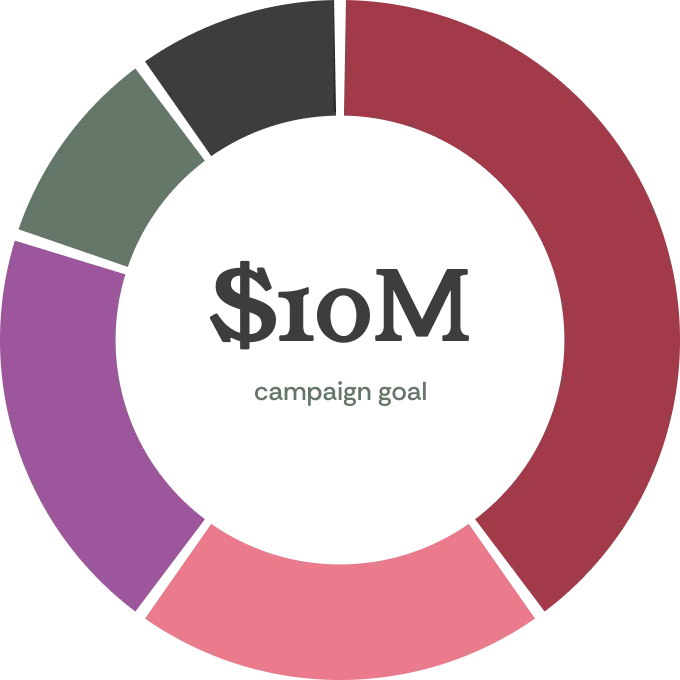
We are raising $10 million to change how iron deficiency is found and treated.

The allocation is published on this site, and every gift is tracked against it.

40%

Expand mobile and clinic-based treatments

20%

Direct treatment fund

20%

Education and national awareness

10%

Research and clinical trials

10%

Infrastructure and staffing

What the funds do

1

Bring mobile and clinic-based testing and treatment to more communities

2

Cover the full cost of care for uninsured women

3

Launch a national awareness campaign aimed at schools, athletes and OB/GYNs

4

Fund research to drive policy change and clinical guidelines

5

Strengthen the infrastructure to scale impact sustainably

The evidence

Three abstracts. One model.

The Foundation does not run its own trials. It funds a model whose results are submitted to the American Society of Hematology and can be read by anyone.

ASH 2023 · Abstract 2314

Outcomes of a telemedicine iron-infusion model

7,246 infusions across 3,076 patients over two years. Nine days from televisit to infusion on average. 94% of patients reported improvement in at least one symptom. Reaction rate 4.5%, almost all mild.

Read the abstract →

ASH 2023 · Abstract 2381

IV iron in pregnancy

2,971 infusions to 1,383 pregnant patients. Average hemoglobin rise of 1.2 g/dL. No adverse event that affected a pregnancy.

Read the abstract →

ASH 2026

Cost-effectiveness of IV iron

IV iron is cost-effective at $28,600 per quality-adjusted life year and should be considered first-line treatment for iron deficiency in women.

Read the abstract →

How we report

Three promises about the numbers.

01

Every quarter

Donors and Iron Circle members receive an impact receipt: women screened, seen and treated, and what it cost.

02

Every year

The allocation and the year's figures are published on this page, in full, with sources.

03

Every result

Clinical outcomes are submitted for peer review before they appear here. If we cannot source a number, we do not publish it.

Fund the next number.

Every figure on this page was paid for by someone. The next one can be yours.

Sources

01

ASH 2023, Abstract 2314. Outcomes of a telemedicine iron-infusion model: 7,246 infusions, 3,076 patients, nine days from televisit to infusion, 94% symptom improvement, 4.5% reaction rate.

02

ASH 2023, Abstract 2381. IV iron in pregnancy: 2,971 infusions to 1,383 patients, 1.2 g/dL average hemoglobin increase, no adverse event affecting a pregnancy.

03

American Society of Hematology, 2026. IV iron cost-effective at $28,600 per quality-adjusted life year.

04

Fem Network clinical data. More than 5,000 women treated since 2020.

05

femfoundation.org. Published allocation 40 / 20 / 20 / 10 / 10 of the $10 million campaign goal.